You Started Exercising — So Why Does Your Body Feel Worse?
You finally decided to get active.
You started walking, joined the gym, followed a workout programme or simply decided that you were going to move your body more.
And then…
Your muscles hurt.
You're tired.
You're hungry all the time.
You feel heavier.
You may even look in the mirror and think, “Is this actually working?”
Before you decide that exercise isn't for you, let's talk about what may actually be happening.
Your body is adjusting
When you introduce exercise to your body, particularly after a period of being less active, you're asking it to do something it isn't accustomed to doing.
Your muscles are working harder. Your cardiovascular system is being challenged. Your body is using more energy. You're also creating small amounts of muscle damage during certain types of exercise, which your body then has to repair.
That can leave you feeling sore and tired.
It doesn't necessarily mean something is wrong.
It means your body is adapting.
But there's an important distinction…
Soreness isn't the same thing as pain.
Some muscle discomfort after a new workout can be completely normal. Sharp, severe or persistent pain is different and shouldn't simply be pushed through.
Learning to listen to your body is part of learning how to exercise.
Why are you so tired?
This catches many beginners off guard.
You might expect exercise to make you feel energetic immediately. Sometimes it does. But when you're starting out, your body may actually feel more tired.
You're using energy during your workout and your body needs time to recover afterwards.
If you're suddenly exercising several days a week while also sleeping poorly, eating inadequately and trying to maintain your normal busy schedule, you may simply be asking your body for more than you're giving it time to recover from.
Exercise is only one part of the equation.
Movement + nutrition + hydration + sleep + recovery all matter.
And why are you suddenly SO hungry?
Exercise can increase your appetite.
Your body needs energy to function, and increased activity can change how much fuel you need.
This doesn't mean you need to fear hunger or automatically assume that you're “eating back all your calories.”
Instead, pay attention to what you're eating.
A balanced meal containing protein, carbohydrates, healthy fats, vegetables or fruit can support your energy and recovery much better than trying to survive on tiny portions because you're afraid of undoing your workout.
You don't need to punish your body into becoming healthier.
“But I feel heavier!”
This is another reason people give up too soon.
When you begin exercising, particularly resistance training or a new, challenging routine, your body can temporarily retain water as part of the recovery process.
Your weight can therefore fluctuate even while you're becoming fitter and stronger.
Your body isn't a machine that changes predictably from Monday to Friday.
There are also normal fluctuations caused by hydration, food, hormones, digestion and other factors.
That's why the scale is only one measurement.
How you feel.
How strong you are.
How much stamina you have.
How your clothes fit.
How consistently you're showing up.
Those things matter too.
More exercise isn't automatically better
One of the biggest mistakes beginners make is going from zero to one hundred.
Monday: intense workout.
Tuesday: another workout.
Wednesday: “I should push harder.”
Thursday: completely exhausted.
Friday: everything hurts.
Saturday: “I hate exercise.”
😂
You don't have to destroy yourself to make progress.
Starting with something manageable and gradually increasing your activity can make it much easier to create a routine you can actually maintain.
The goal isn't to have one incredible workout.
The goal is to keep moving next week, next month and next year.
Recovery isn't being lazy
Rest days sometimes get treated like a lack of discipline.
They're not.
Your body needs recovery.
That doesn't necessarily mean spending the entire day on the couch. Gentle movement, stretching, walking and normal daily activity can all be part of an active lifestyle.
But if your body is constantly exhausted and you're continually increasing your workload without adequate recovery, that's a sign to reassess what you're doing.
Consistency requires recovery.
So when will you see results?
This is where patience becomes important.
There isn't a universal timeline for when someone will lose weight, gain strength, improve fitness or notice changes in their body.
Your starting point, genetics, nutrition, sleep, exercise programme, consistency and many other factors all play a role.
Instead of asking:
“How quickly can I change my body?”
Try asking:
“What healthy habits can I realistically maintain?”
That question can completely change your relationship with exercise.
Start where you are
You don't need the perfect gym outfit.
You don't need the most expensive gym membership.
You don't need a complicated workout programme.
And you certainly don't need to exercise for two hours every day.
You need a starting point.
Maybe that's a walk.
Maybe it's a short home workout.
Maybe it's your first gym session.
Maybe it's simply committing to moving your body more consistently.
Start at a level that makes sense for your current fitness level, and build from there.
And remember: if you have a medical condition, an injury, or you're unsure whether a particular type of exercise is appropriate for you, speak to an appropriate healthcare professional before starting or significantly changing your exercise routine.
Ready to get started?
If you're a beginner and you're not sure where to begin, I've created the Free Gym Quick Guide to help you take those first steps without making things unnecessarily complicated.
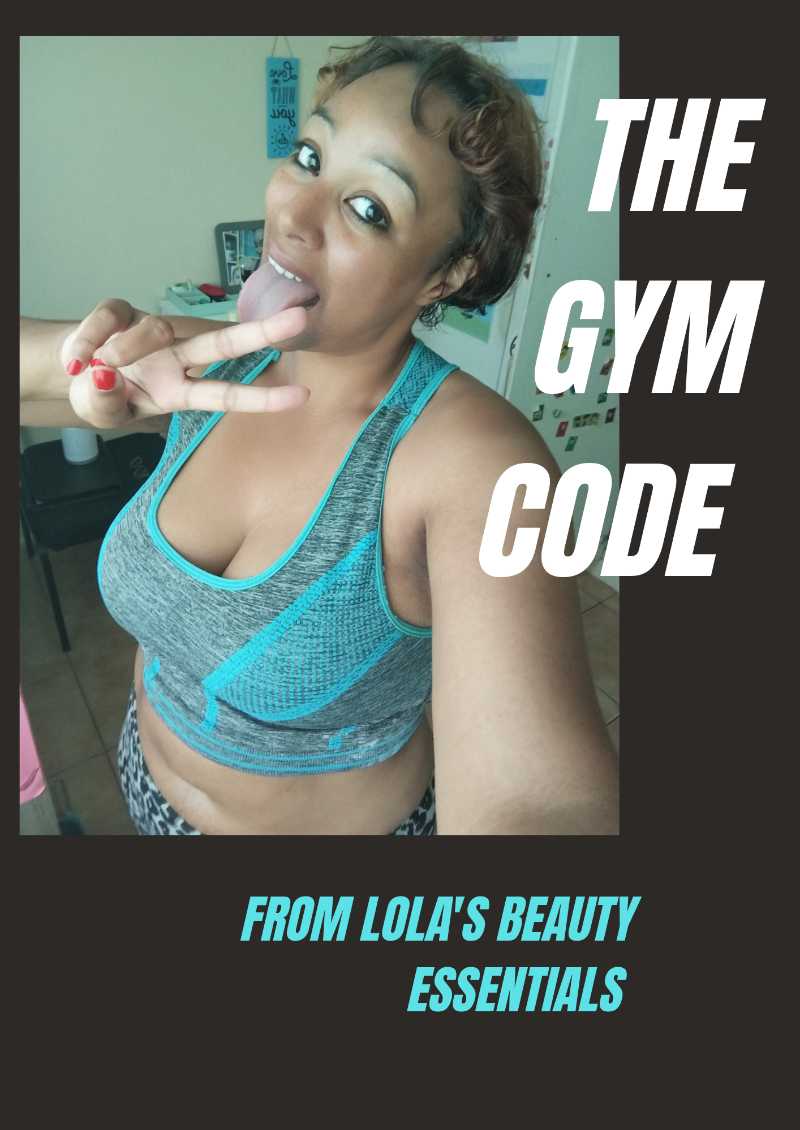
And when you're ready to take things further, The Gym Code takes that foundation and gives you a more structured guide to help you stay on track.
Because getting healthier shouldn't feel like punishment.
It should feel like something you're doing for yourself.
— Lola
Lola's Beauty Essentials